A New Generation of Information Exchange
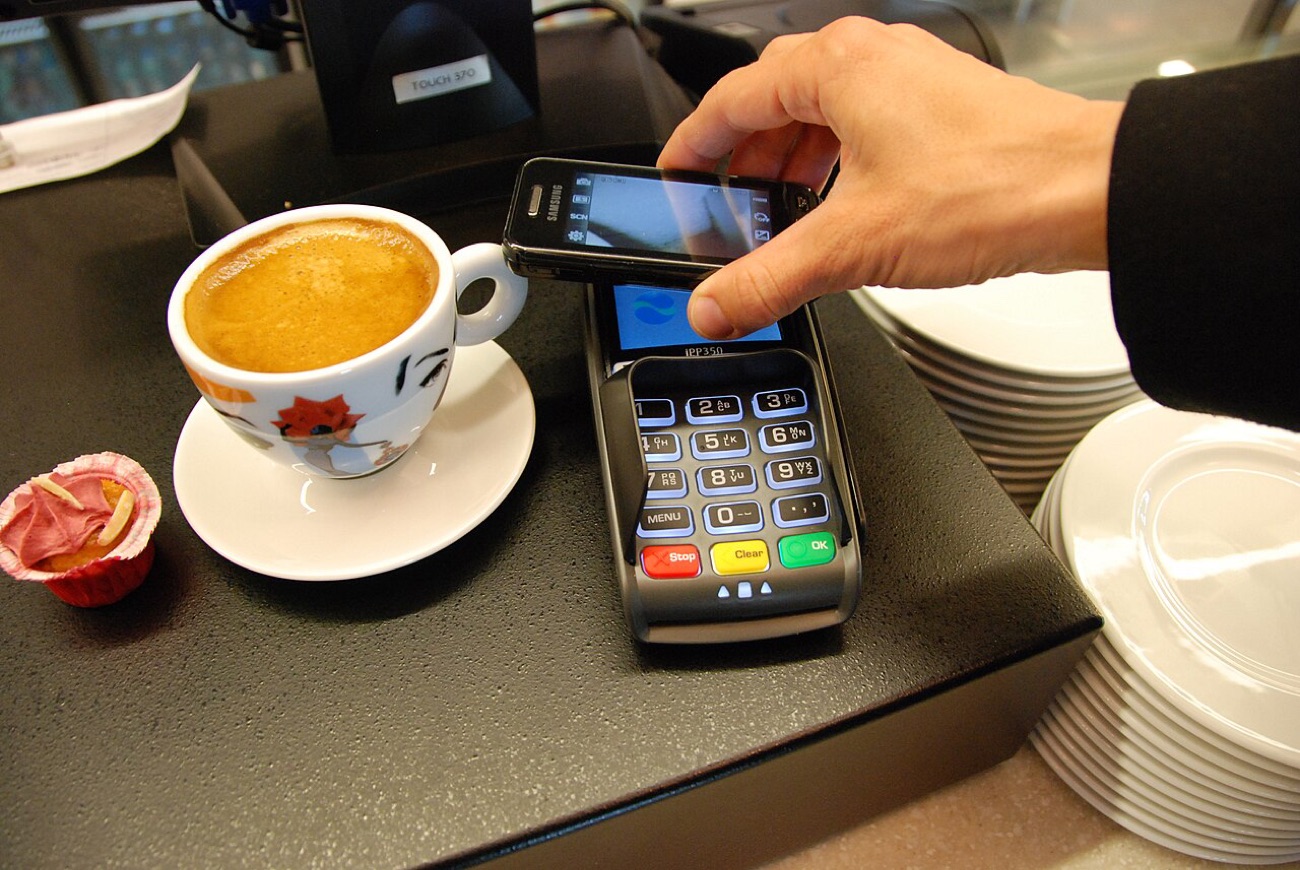
Wireless plus instant upload
A smart badge has a small chip and antenna embedded in it. Hold it near a reader and the two exchange information without any contact. The technology is called Near Field Communication, or NFC, which is a short-range form of RFID. For organisers, nothing is more important than controlling access to exhibitions, seminars and keynotes, and helping buyers and sellers exchange details. A short, quick read is well suited to both.
Easier, faster, more secure
- Easier: people just tap, with no need to line up a code with a scanner. Some chips can be written to as well as read.
- Faster: the exchange takes a fraction of a second, which helps at a busy door.
- More private: data only moves when the card is within a few centimetres of a reader, so a badge is difficult to read without the wearer noticing.
Real-time upload
Most modern readers send what they collect to the web over a mobile or Wi-Fi connection. Exhibitors can see leads while the show is still on, and organisers can watch session numbers as they happen. If the connection drops, a good device stores the scans and sends them later.
What is inside the card
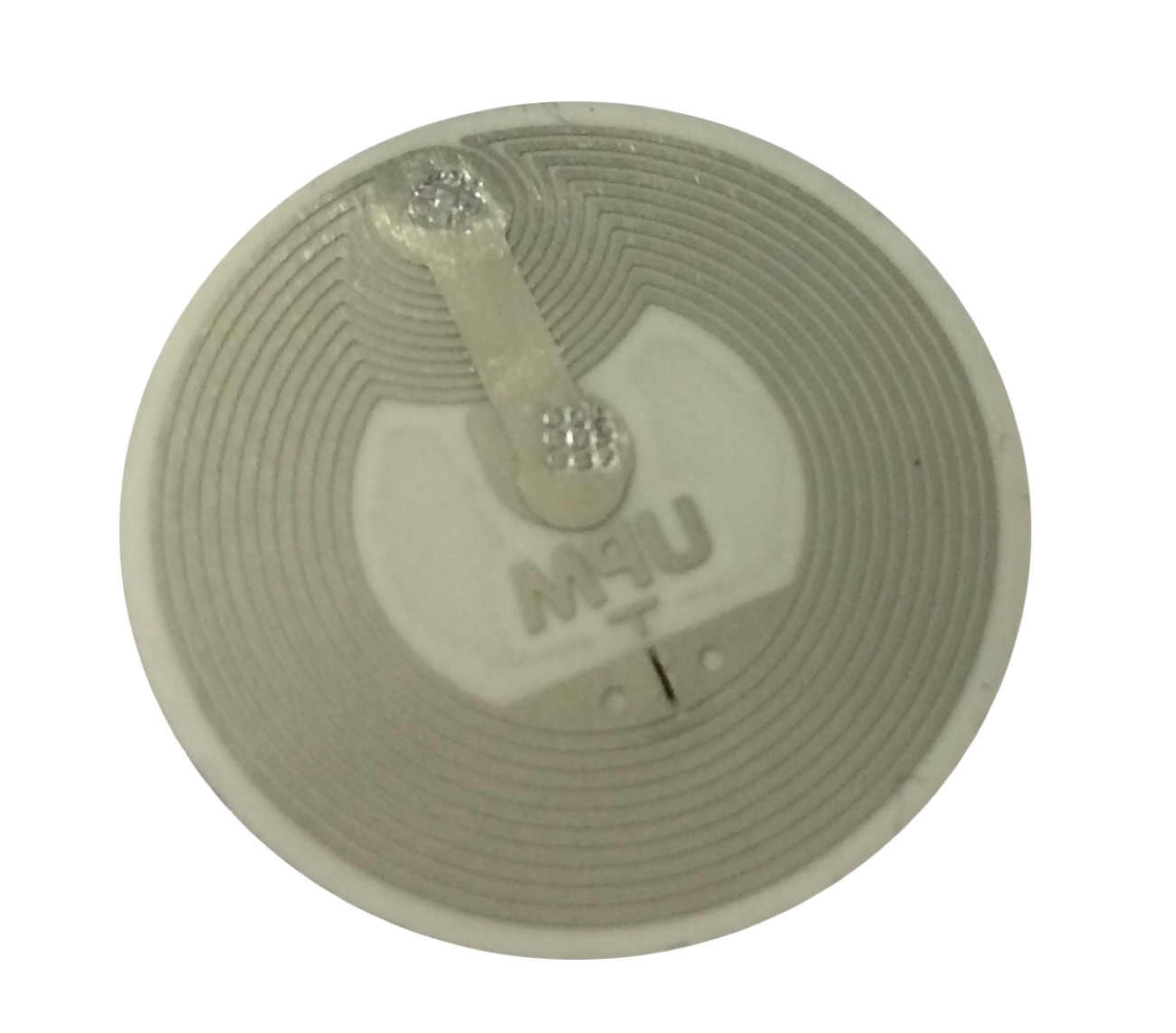
The chip is tiny, and the antenna is a flat coil around the edge of the card. It has no battery. Power comes from the reader's radio field, which is why the card has to be so close. The memory is small, usually a serial number plus at most a few kilobytes, so most of your record stays in a database.
And the alternatives?
Printed QR codes and barcodes remain the cheapest choice, while long-range RFID can count people passing through a doorway. Our comparison of NFC and barcode badges sets out the trade-offs. The same technology family also turns up well away from conference halls: on transit cards, in contactless payments, and inside the high-value chips used at some casino tables.
Photos on this page via Wikimedia Commons: HLundgaard (CC BY-SA 3.0).