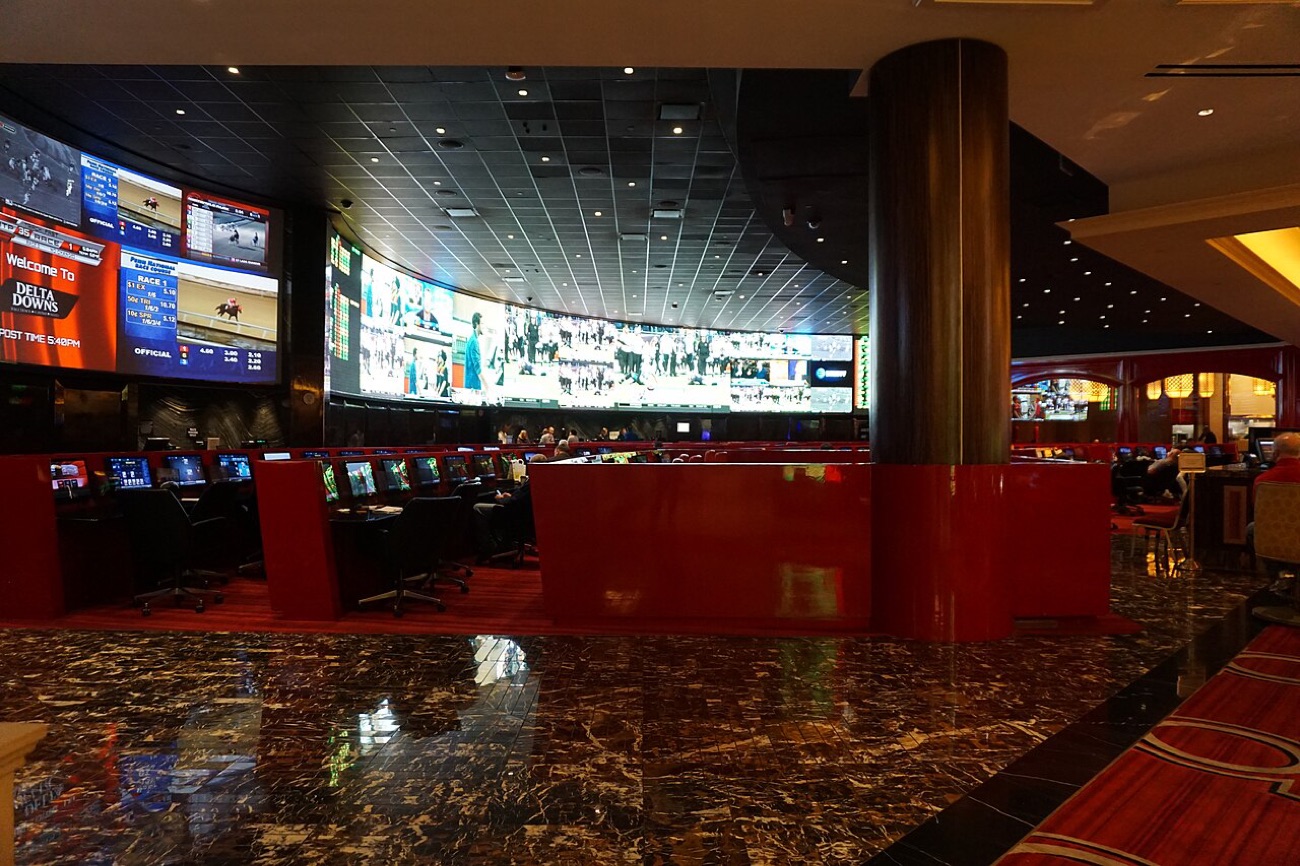
RFID Casino Chips: What Event Tech Can Learn From Them
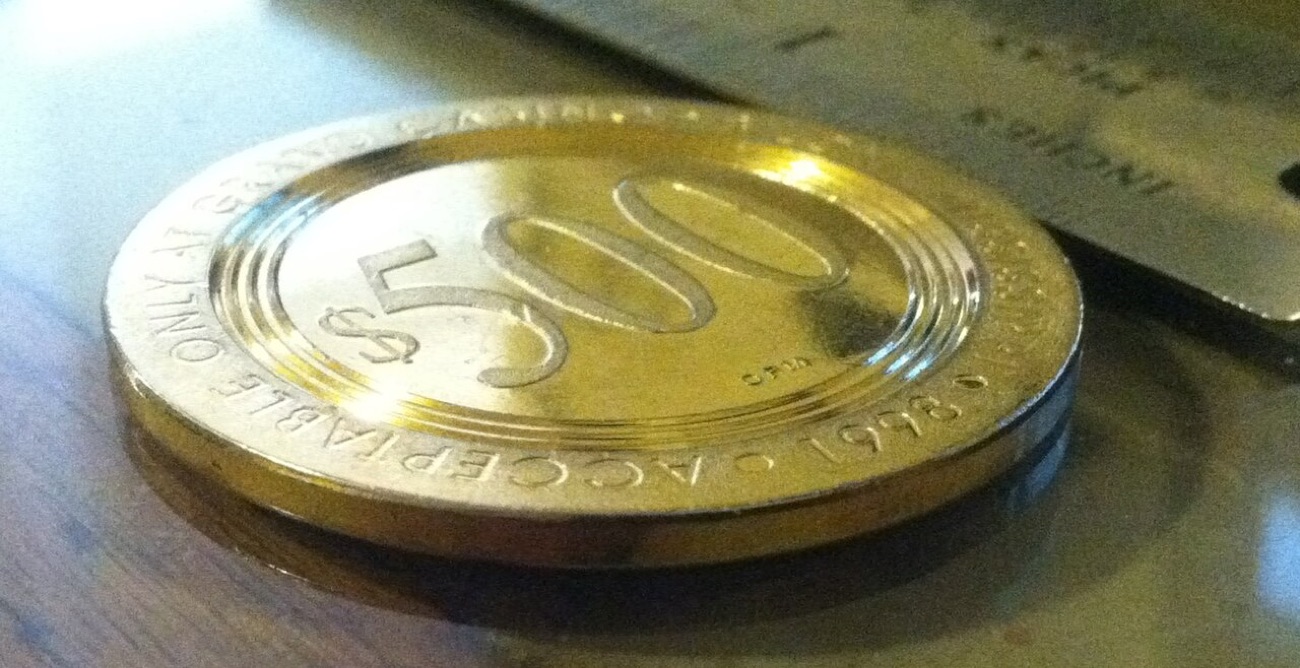
Ask an event technologist where short-range tags work hardest and the honest answer may not be a trade show at all. It is the casino table, where a small plastic disc with a tag inside can be worth thousands of dollars and passes through dozens of hands in an evening.
A short history
Wynn Las Vegas was widely reported to be using RFID in its high-value chips when it opened in 2005, and tagged chips have since spread to many large resorts, especially in Asia. The aim was never to follow players around the room. Readers sit in fixed places, such as the cage, the chip tray or a marked betting area, and each chip's serial number can be checked against a database.
What the tag is for
- Authentication. A chip that does not answer with a valid ID is a counterfeit or a chip from somewhere else.
- Counting. A full tray can be read in seconds, which saves staff time and cuts counting errors.
- Theft control. A casino can invalidate stolen serial numbers, so that a stolen stack becomes hard to cash.
Why this matters to badge people
A conference badge faces easier conditions than a casino chip, and yet the design choices rhyme. The tag holds an ID and not much else. The useful information lives in a database. The read range is deliberately short, so that only what is in the right place gets read. Event organisers who began with long-range tags and moved to touch-range readers reached the same conclusion that table games departments did: a short, deliberate read beats a long, ambiguous one.
The difference is what happens when a read fails
In a casino, a chip that fails to read gets set aside and inspected, and the game moves on with human checks. At a trade show, a badge that fails to read holds up a queue. That is a good argument for a fallback at every door: a person with a list. It is also why many event teams quietly study how the gaming industry trains its floor staff, not only which readers it buys.
We return to the same comparison in our piece on player cards and event badges, where the tagged object is held by the guest instead of the house.