Casino Player Cards and Event Badges: Two Floors, One Idea
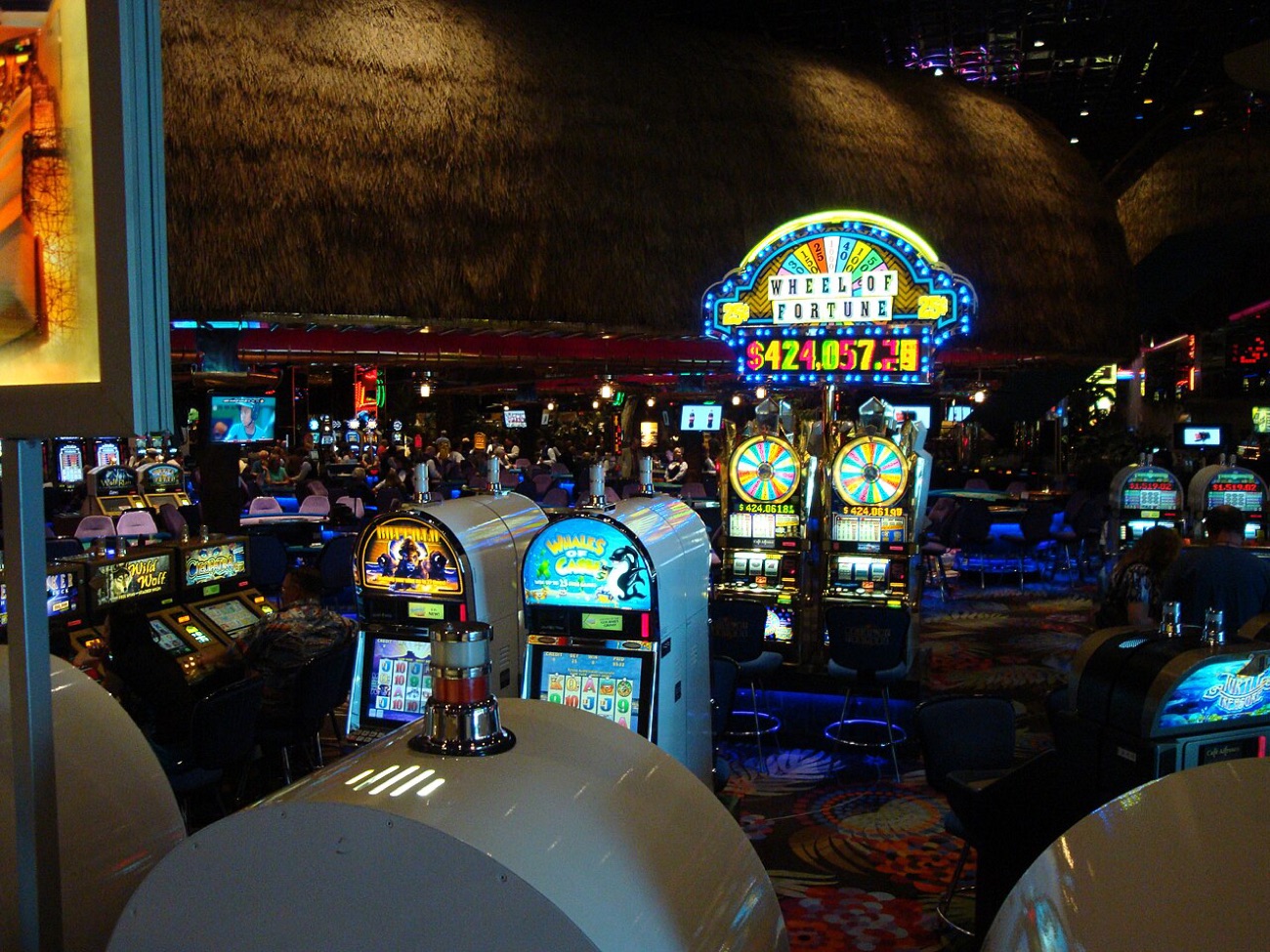
Walk through any large casino and you will see players with a card plugged into the machine, often on a coiled lanyard clipped to their shirt. Anyone who has worked a trade show will find that lanyard familiar. The two objects do a similar job: they identify a person, log what they do and give them a reason to keep using it.
Where player cards came from
Slot clubs appeared in the 1980s and grew into large loyalty programmes in the 1990s, Harrah's Total Rewards being the best-known example. Instead of guessing who their best customers were, casinos could see them in the data. A player earns points for play and exchanges them for meals, rooms and offers. The casino, in turn, learns what each guest likes and how often they visit.
What the comparison shows
| Question | Casino player card | Event badge |
|---|---|---|
| Why use it? | Points, offers, comps | Entry, credits, leads |
| What is logged? | Machine, time, amount played | Door, session, exhibitor |
| Who sees the data? | The casino | Organiser and scanned exhibitors |
| Lifespan | Years | Usually days |
The reward question
The most useful lesson is the simplest. People use a card when the benefit is obvious and immediate. Many events ask attendees to scan in at sessions for the organiser's benefit, with nothing in return, and then wonder why compliance drops on day two. Digital passports, session credits and small rewards for completing a route all answer the same question that a slot club answers: what do I get for this?
The lifespan problem
A casino knows a guest for years and can test what works with them. An event badge dies when the doors close, and next year's attendee record may not even link to this year's. Organisers who tie badges to a persistent account can start to see return rates and session habits in the way a casino marketing department would. That is valuable, but it also calls for clear terms about what is being kept.
Where the analogy should stop
Casino data is used to encourage more play, and regulators in many places now look closely at how that works. An event's data serves a very different and much lower-stakes purpose. Borrow the mechanics of the loyalty card, the instant reward and the clear benefit, and be open with attendees about the rest.