NFC or Barcode Badges? A Plain Comparison
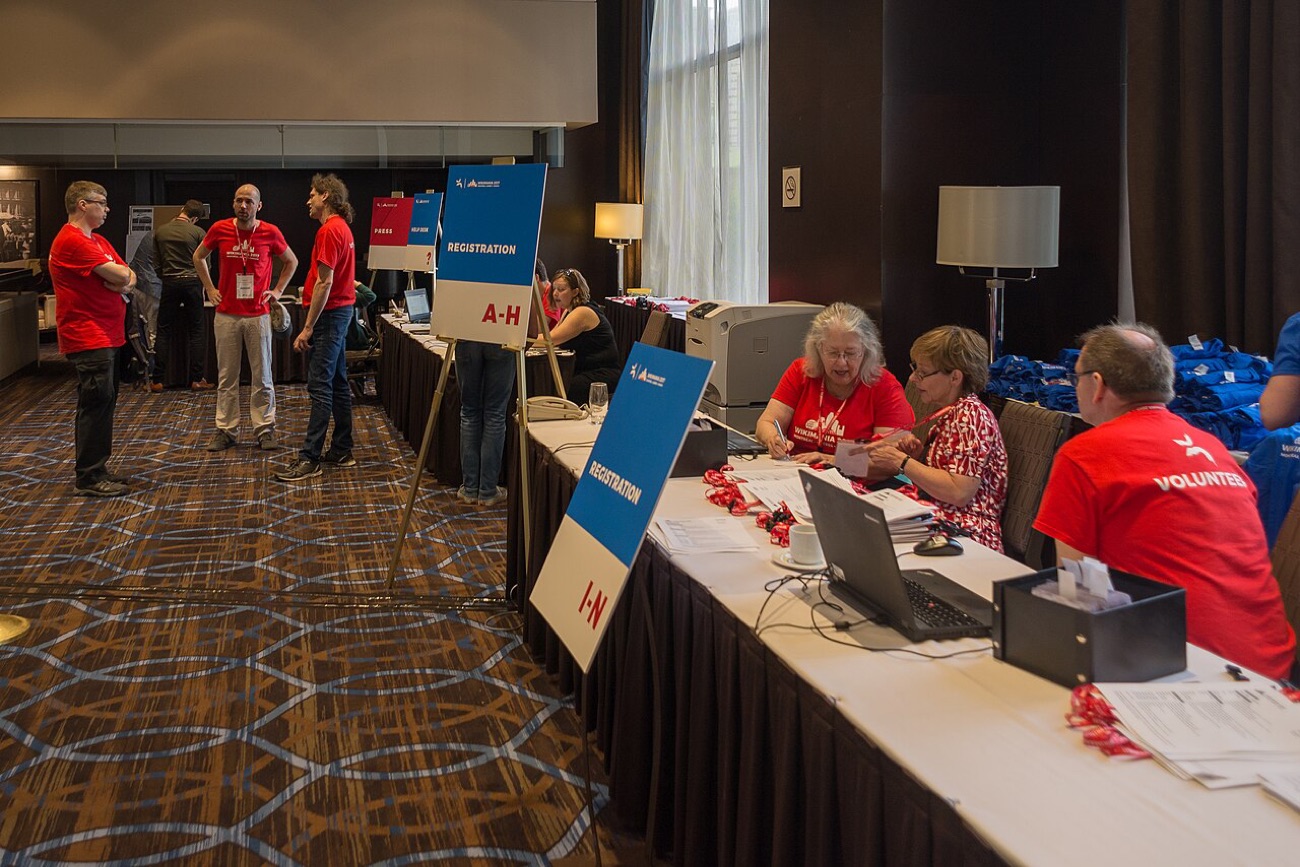
Every organiser eventually has this conversation with a registration vendor. Should the badge carry a printed code, or a chip? The honest answer is that both work, and the choice depends on where the badge will be read, how often and by whom.
Printed codes
A one-dimensional barcode or a QR code is close to free. It prints on paper stock at any self-service kiosk, it can be sent to a phone in advance, and almost any modern phone camera can read a QR code. Its weaknesses are physical. The scanner has to see it, so a flipped badge or a crumpled corner slows the line. It is also easy to copy: a screenshot of a QR code looks exactly like the original.
Short-range chips
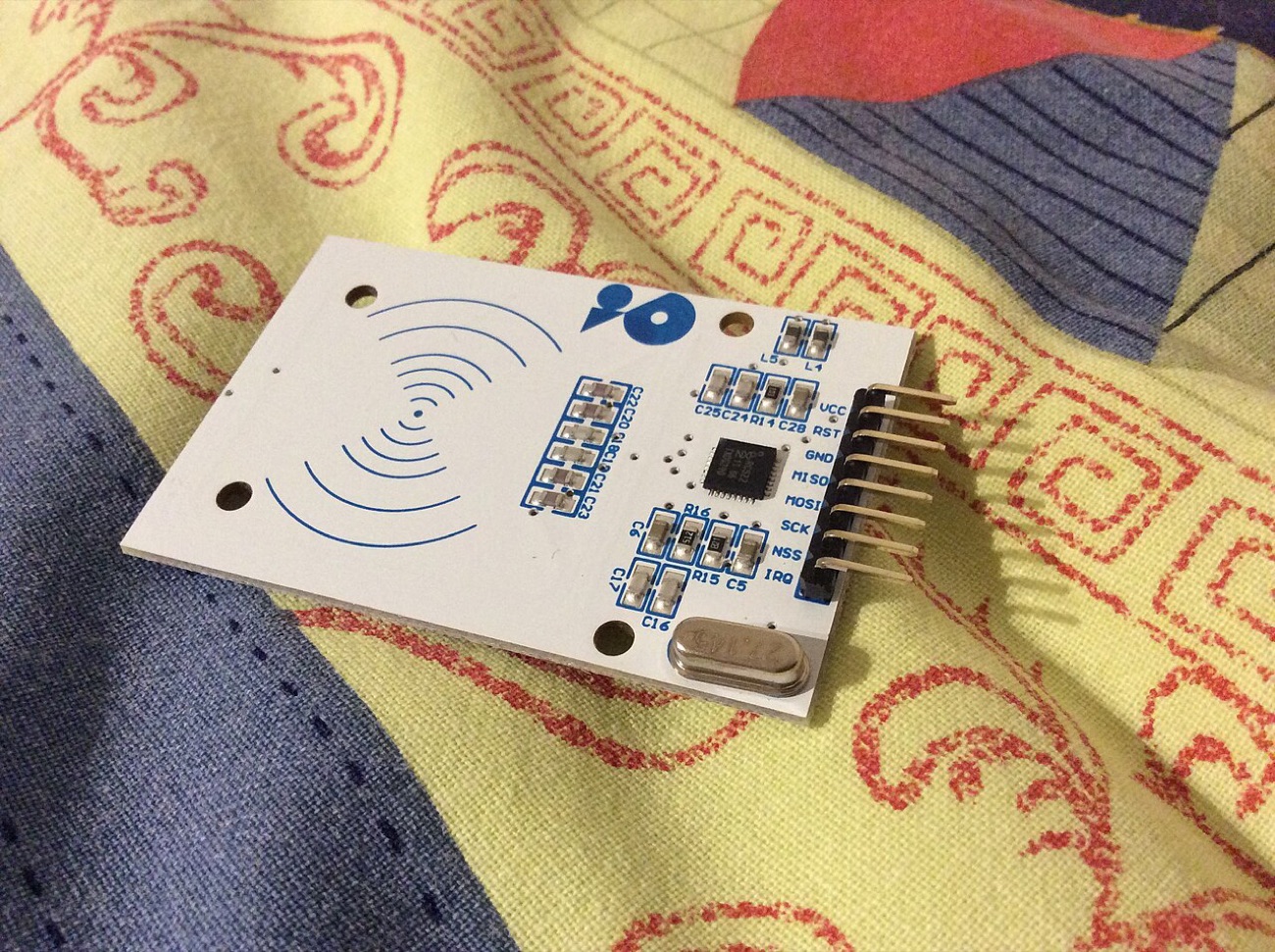
NFC is a short-range form of RFID that works at 13.56 MHz over a few centimetres. A badge with an NFC chip does not need to face the reader or be perfectly clean, so entry and session scanning tend to be fast. Because the range is so short, reading one is a deliberate gesture. Chips cost more per badge and need encoding, which adds a step and a little risk to on-site printing.
Long-range RFID
UHF tags can be read from several metres away, which lets a show count people walking through a doorway without stopping them. That sounds ideal until accuracy and consent come up. Read rates fall in crowds, and people may not know they are being recorded. Most organisers who try it now pair it with clear notices, or keep it to specific uses like hall-level footfall.
| Badge type | Read distance | Unit cost | Best for |
|---|---|---|---|
| 1D or QR code | Line of sight | Very low | Most conferences |
| NFC chip | A few centimetres | Moderate | Busy doors, repeat scans |
| UHF RFID | Several metres | Moderate, plus readers | Footfall counts |
Where chips have already proved themselves
If you want evidence that embedded chips survive heavy, high-value handling, look at casino floors. RFID casino chips have been in service for about two decades, and the same logic of a tag plus a nearby reader runs through table tracking, cage counts and event access alike.
A sensible default
For a one-day regional conference, print a QR code and spend the savings elsewhere. For a multi-day show where the same person passes a reader twenty times, or where sessions carry paid access, a chip is worth pricing. Whichever you pick, run a timed test with real staff and real badges before the doors open.