On-Site Registration: Shorter Queues, Fewer Reprints
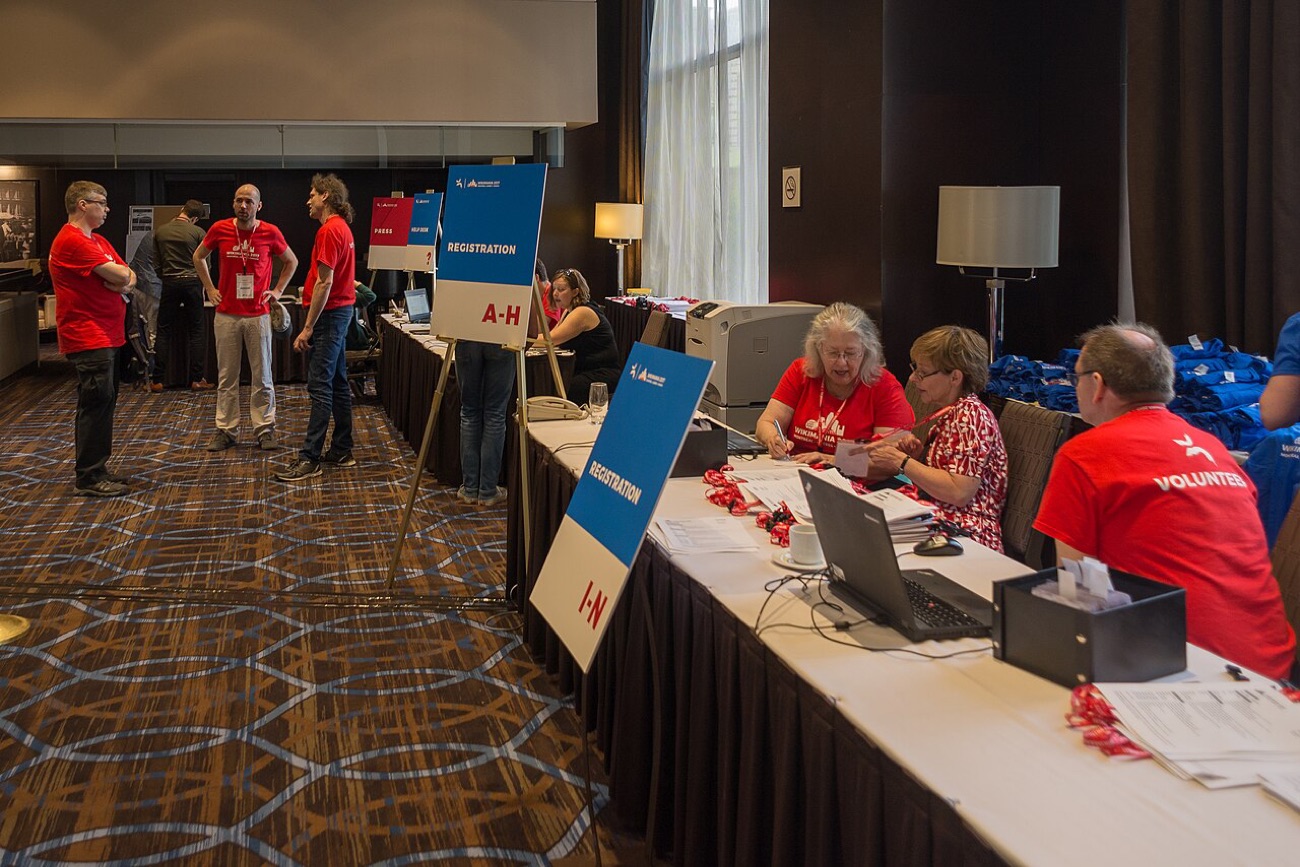
The registration desk is where an attendee forms a first impression of the whole event. It is also where the hidden problems of the previous six months show up: a confusing form, an unexplained badge type, a printer no one has tested. Fortunately, most of this can be fixed long before show day.
Plan for the peak, not the average
Registration traffic is lumpy. A large share of arrivals may come in the hour before the opening keynote. Estimate that peak from last year's scan data, work out how many people a station can handle per minute, then add a margin for broken printers and difficult cases. If you have no data, a timed test with a few staff members and sample badges will tell you more than any vendor's brochure.
Print at the point of arrival
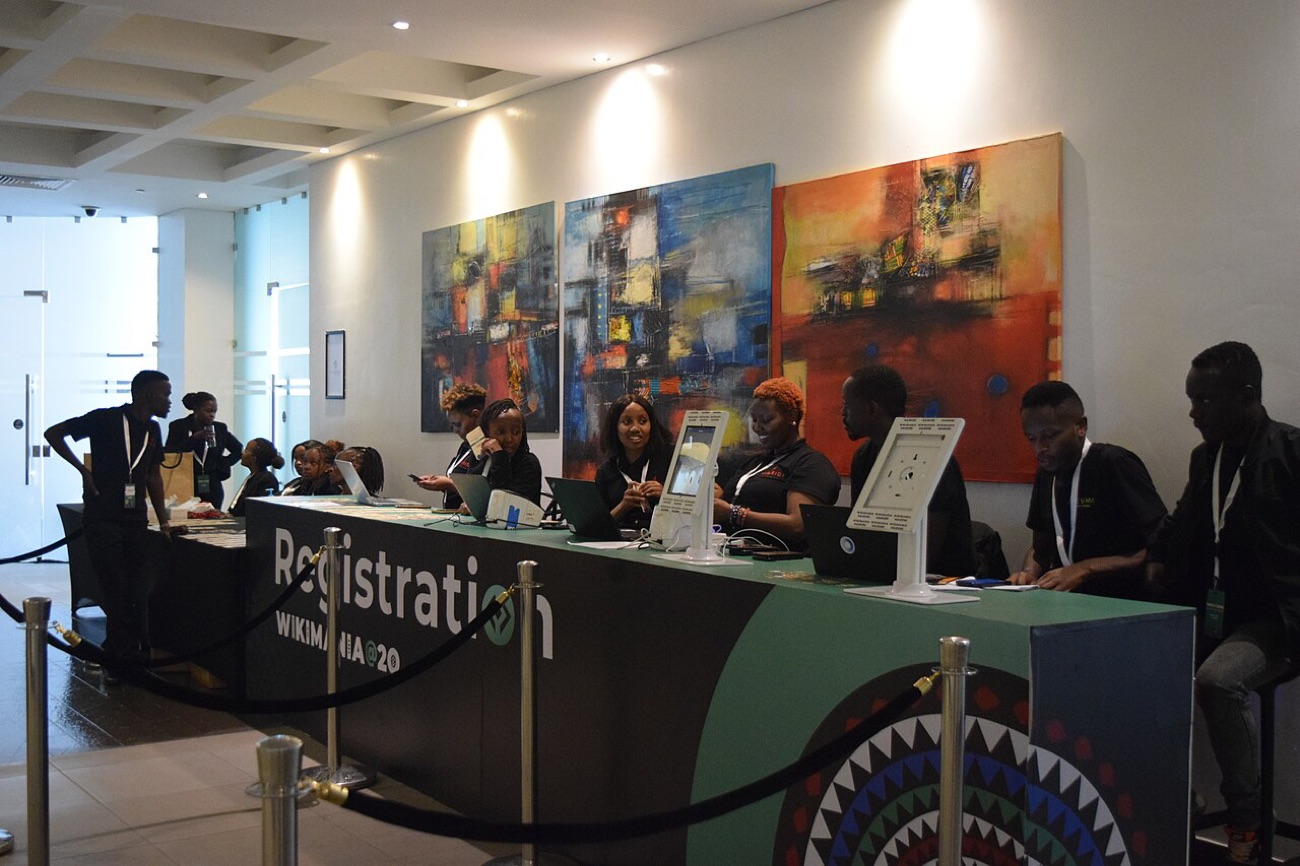
Pre-mailing badges looks tidy but is costly, and people forget them. Printing on demand means every badge reflects the latest record, and a mistake can be fixed on the spot. Self-service kiosks work well for pre-registered guests with a code on their phone. Keep staffed desks for walk-ins, payments, name changes and those who simply prefer a person.
Separate the lines by problem
- Express: pre-registered, code ready, nothing to change.
- Help: lost confirmations, wrong names, company changes.
- New: walk-ins and anyone who needs to pay.
Clear signs do more here than extra staff. If a person has to reach the front of a queue to find out it is the wrong queue, you pay for that twice.
Have a paper plan
Networks fail. Keep an offline copy of the attendee list, spare printer stock and a blank handwritten badge procedure. A short rehearsal of what happens when the database cannot be reached will pay for itself the one time it happens.
Lessons from the cage
Casinos have spent decades handling long queues of people who carry cash and want to move quickly. Their cages use simple signs, visibly separate windows for different transactions and a supervisor who walks the line and sorts problems before they reach the counter. That last idea transfers very well. One experienced person in the queue, armed with a tablet, can clear small issues before they ever hold up a station.